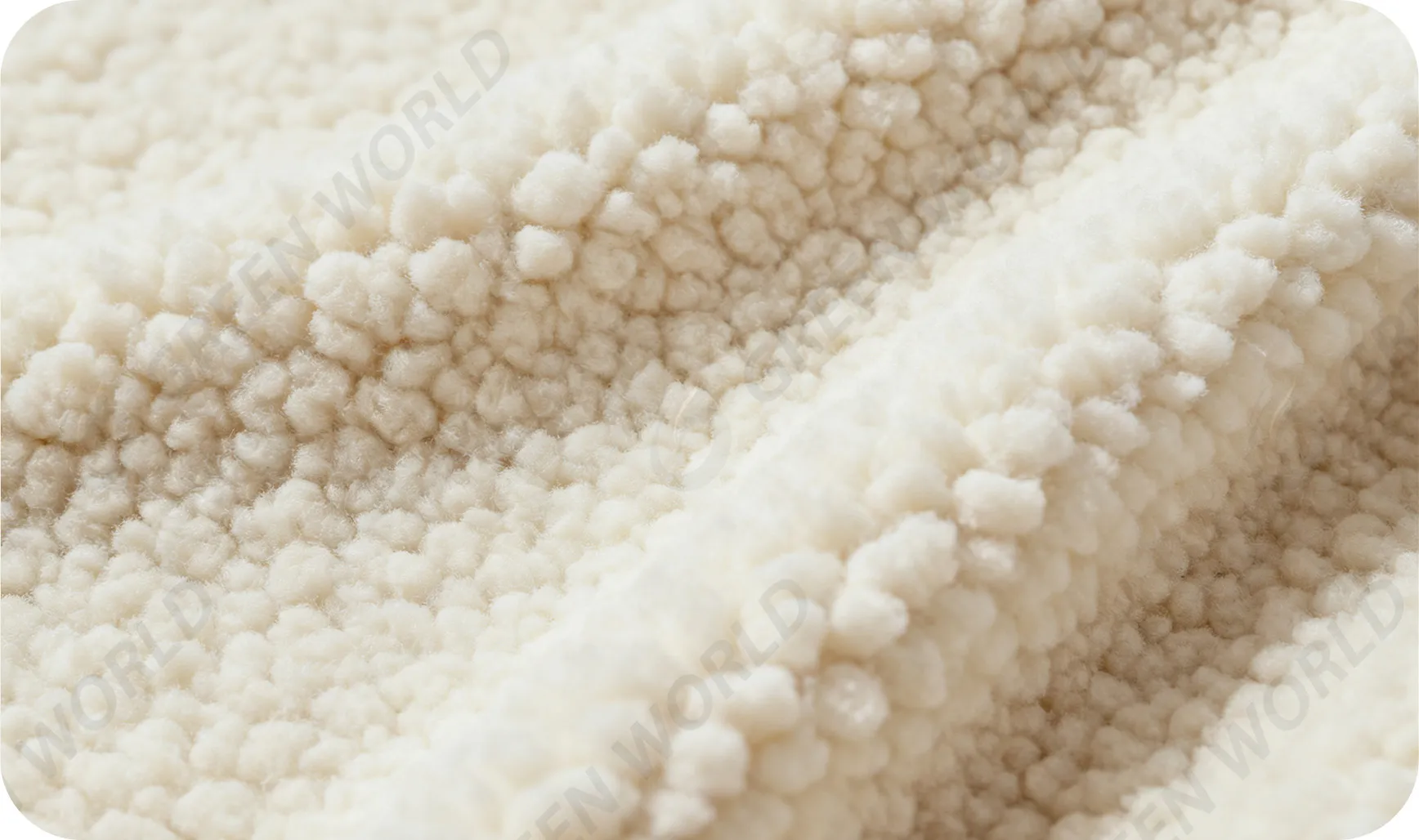
Cleaning and maintenance methods for fleece clothing
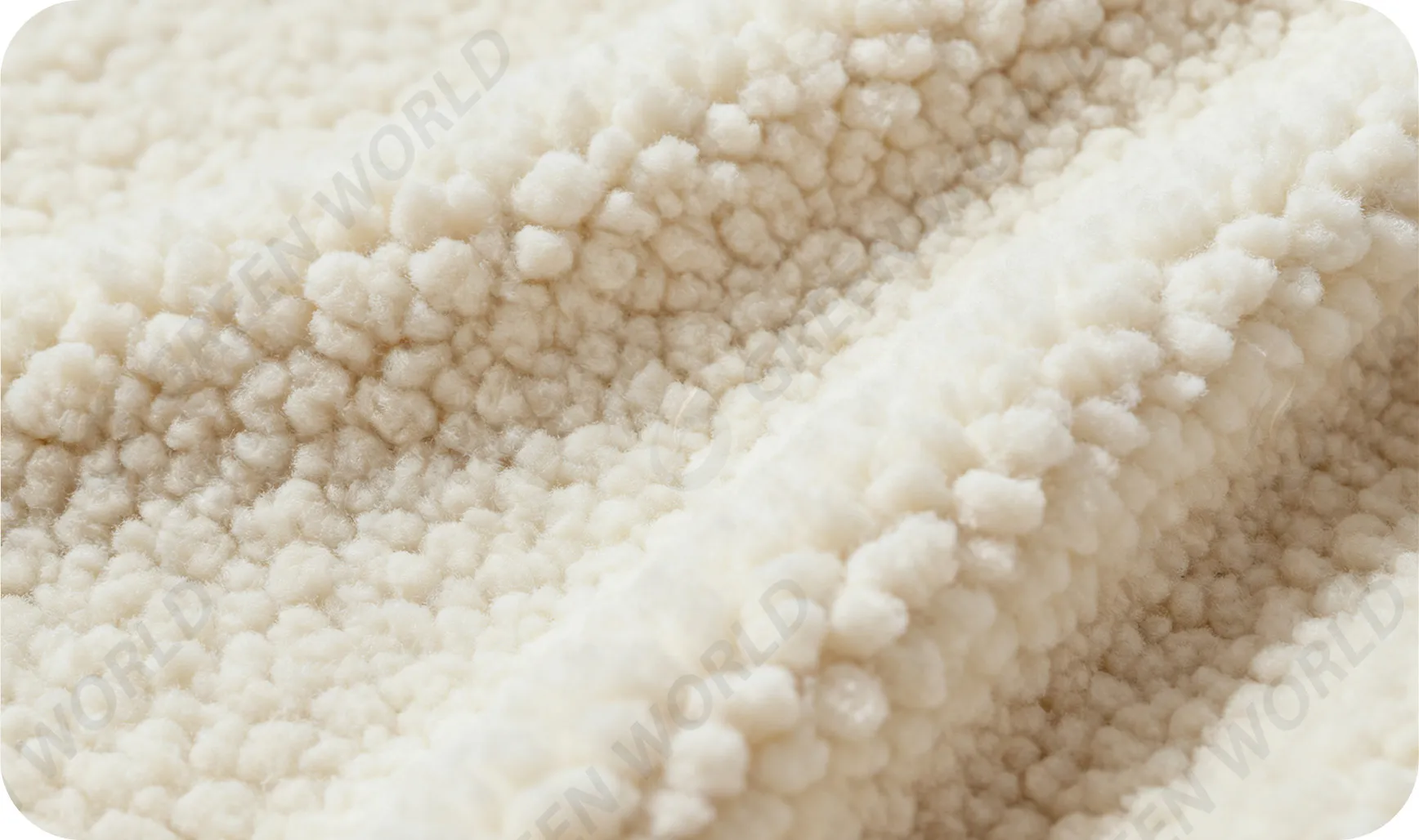
Pre-treatment before cleaning
1. Check the label: Prioritize following the instructions on the garment care label to confirm
whether it is machine washable, the temperature limit, and any other special requirements.
2. Stain treatment: For stubborn stains (such as oil stains and sweat stains), apply a small
amount of neutral laundry detergent directly to the stain, let it sit for 5-10 minutes and
then gently rub it. Avoid scrubbing vigorously.
3. Classification preparation: Wash separately or wash with soft clothes of the same
material and light color. Avoid mixing with denim or clothes with zippers/velcro to prevent
pilling due to friction.
II. Specific cleaning operations (detailed explanation by methods)
1. Hand wash (recommended, best for clothes care)
- Preparing the cleaning solution: Use cold or warm water below 30℃, dilute according
to the instructions on the laundry detergent (add 10-15ml of neutral laundry detergent
per 5 liters of water), and stir until completely dissolved.
- Soaking time: Immerse the clothes completely and let them soak for 15-20 minutes.
Do not soak for more than 30 minutes to avoid damage to the fibers due to excessive
water absorption.
- Cleaning action: Gently press and knead with your palm, focusing on cleaning the collar,
cuffs, and other easily soiled areas. Do not twist or rub throughout the entire process.
- Rinsing steps: Rinse repeatedly with clean water for 2-3 times until there is no foam in the
water. For the final rinse, add a small amount of white vinegar (50ml per 5 liters of water)
to neutralize residual detergent and reduce static electricity.
2. Machine wash (convenient option, parameters need to be controlled)
- Clothing protection: Turn the fleece clothing inside out and put it into a laundry bag
(preferably a fine mesh bag) to avoid direct contact with the inner wall of the
washing machine.
- Mode selection: Choose "Gentle Mode", "Wool Mode", or "Low Speed Mode". Do not
use Standard Mode or Power Mode.
- Parameter control: Water temperature ≤ 30℃, dehydration speed ≤ 600 rpm, and
washing time controlled within 30 minutes.
- Detergent dosage: Reduce by 1/3 compared to regular laundry to avoid detergent
residue adhering to fibers.
III. Dewatering and Airing (Key Steps to Prevent Deformation)
1. Dewatering operation:
- After hand washing: Wrap the clothes with a clean towel, gently press to absorb
the moisture, and repeat this process 2-3 times until there is no visible water dripping.
Under no circumstances should the clothes be wrung or twisted.
- After machine washing: Handle with care when removing, avoiding forceful pulling
at the neckline and cuffs.
2. Drying method:
- Preferred method: Lay the clothes flat on a ventilated, dry clothesline or a clean
towel, arrange them in their natural shape, and avoid localized pressure.
- Hanging alternative: If hanging, use a wide-shoulder hanger to hang the garment
at the shoulder position, keeping it away from direct contact with the hanger hook
to prevent deformation of the shoulder line.
- Environmental requirements: Store in a cool and ventilated place, away from direct
sunlight (exposure to direct sunlight can cause fibers to age, harden, and fade).
Avoid placing near high-temperature sources such as heating systems or air conditioning vents.
- Prohibited behaviors: Do not dry (unless the care label explicitly allows low-temperature
drying, otherwise high temperatures will cause the fleece to clump and shrink),
and do not iron (high-temperature ironing will damage the fiber structure).
IV. Daily maintenance and upkeep
1. Maintenance during wearing
- Avoid contact with sharp objects (such as keys, scissors) to prevent snagging and damage.
- Keep away from open flames and high-temperature objects (such as stoves and hot
water bottles). Polar fleece is flammable, and high temperatures can cause the
fabric to melt.
- Reduce friction with rough surfaces (such as concrete floors, backpack straps) to
lower the probability of pilling.
2. Storage tips
- Before storage: It must be thoroughly cleaned and completely dried to avoid
residual stains, mold, and odor.
- Storage method: Fold and store in a dry wardrobe, and consider using a dehumidifier
bag (in humid areas) to prevent shoulder line deformation and fabric sagging
caused by prolonged hanging.
- Avoid squeezing: Do not stack with heavy objects, leave a certain space, keep the fabric
fluffy, and prevent clumping.
3. Common problem solving
- Pilling: Use a dedicated pilling trimmer (set to medium or low speed) and gently slide
it along the direction of the fluff growth. Clean the blade head after each trimming
to avoid pulling the fibers. Alternatively, you can use tape to gently remove the surface
loose pilling.
- Static electricity issue: Add a small amount of white vinegar during cleaning, or use
clothing anti-static spray in combination. Avoid wearing it with synthetic clothing.
- Fabric clumping: Gently tap the clumping area with your hand, or use a hair dryer
on low heat and blow from a distance, while combing the fluff with your hand to
restore its fluffy texture.
- Odor Residue: If there is a slight odor such as sweat odor, there is no need to wash it
with water. Simply hang it in a ventilated place and let it air dry for 2-3 hours.
Frequent washing with water will reduce the fluffiness of the fibers.